
Conversations in pubs and around the coffee machine at work, have moved from talking about last nights episode of Lost, to the world of economics.
OK, so we may not be chatting about the FTSE Index top 100 or how the dollar is performing against the Yen. Instead we are mulling over the ever fluctuating fuel prices and the costs of filling up our cars.
With fuel prices recently hitting new highs and uncertainty about oil prices, it's perhaps time to think about how to save fuel as we take to the roads.
Below is a number of fuel saving tips, which will help to reduce your fuel costs.

Close your windows
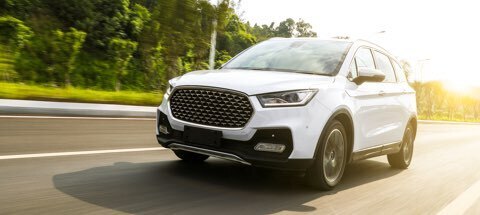
If you have a dog that is fond of sticking its head out of the window as you drive, you may need to find it another interest in life. Driving with the window open will increase the drag on the vehicle, as it affects the aerodynamics of a car and will add to your fuel costs.
Miniature flags attached to your vehicle (usually during football tournaments) will also make your car drag, but we know you are far too cool to attach those.
Check tyre pressure
It is staggering just how many people are driving around with their tyres under-inflated. Some estimates quote figures around 50%. Next time you visit your local forecourt, check your tyre pressure levels.
You can find the correct tyre pressure specification in either your car manual, from the car manufacturer, from a local tyre specialist company like National Tyres, or - as with a number of cars today – on the inside of your fuel tank lid.
It is also recommended that you check your tyre pressure regularly throughout the month – you would be surprised just how quickly the tyre pressure alters.
Become a smooth operator
If you are a driver who tears around the streets, cutting people up and speeding from one traffic light to the next, then you need to hang your head in shame. Not because of your reckless nature, but because this a sure fire way to burn more fuel and seriously reduce the miles per gallon you could be getting.
Stressing your car unduly can have a negative effect on your fuel consumption levels.
Try to predict the traffic flow ahead. Stop trying to beat the lights when you know it is a stretch too far; and stop thinking you are a boy racer when really all you are only popping down to the recycling centre with your old newspapers.
Switch off
New cars are being developed which turn themselves off when you are static in traffic, so if you are lucky enough to own one of these then skip this section. For those drivers who do not have automatic engine cut off technology in their cars, it is an option well worth considering. Cars that have this feature claim that they can improve reduce fuel consumption by up to 10%. So when appropriate switch off and wait until the traffic starts before turning the key again.
Get in the right gear
No, this does not mean that you will achieve better miles per gallon, reduce your fuel costs or be more fuel-efficient by wearing the latest Paris fashions. What we mean is that you should drive with the car in the right gear. The higher the gear - even at lower speeds, then the lower the fuel consumption. This can help you improve fuel economy by around 20%. Remember not to labour the engine, as incorrect use of higher gears does nothing for fuel economy either. The simplest way to make sure this works for you is by using your rev counter. Don't let this go too high, and certainly don't rev the engine whilst waiting at lights. All you are really saying here is look at me burning fuel unnecessarily.
Drive Less
Short journeys will use up more fuel than a long journey. As the vehicle warms up it will use more fuel. Cars that achieve forty miles per gallon on the motorway, could drop to 15mpg on a short run. Trying to prioritise your longer journeys over the shorter ones will again result in more efficient fuel consumption.
Slow down
You don't have to turn into Driving Miss Daisy, but what we are talking about here, is the difference between 70mph and 80mph on the motorway. Slowing down can make a huge difference on your fuel economy.
Sweat
We rarely have the weather for continuous use of air conditioning, so turn it off to save on fuel. Having your air con blowing throughout your whole trip can use up to 5% of your fuel.
Remember, resist the urge to open your windows as this will increase the drag on your car, and could have even worse results on your fuel economy.
These suggestions are based on our research relating to better fuel consumption and are designed to show how quickly and how well you can adapt to fluctuating fuel prices.